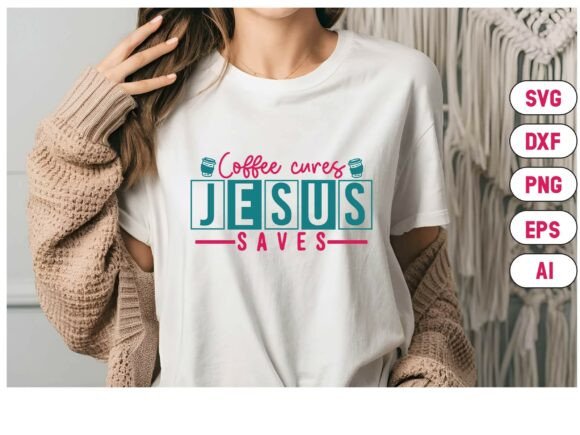
Coffee Cures Jesus Saves Svg Sweet T-Shirt
When I first opened up the Coffee Cures Jesus Saves Svg Sweet T-shi file, I had that moment every embroidery designer knows well—the mix of curiosity and practical judgment. Would this design stitch out cleanly? Would it hold up on a real product? Would customers actually want to wear it? After working through several test runs and a full production batch for a small boutique order, I can share the kind of honest, hands-on evaluation that matters when you're deciding whether to invest time and materials into a new embroidery file.
This design hits a sweet spot that few machine embroidery designs manage: it blends a relatable everyday ritual with a faith-centered message. Coffee and Jesus. It is warm, approachable, and genuinely wearable. But as any experienced embroiderer knows, a great concept does not guarantee a great finished product. The real test happens under the needle.
First Impressions of a Faith-Fueled Coffee Design
The visual personality of Coffee Cures Jesus Saves Svg Sweet T-shi lands somewhere between cozy and confident. The layout feels balanced without being stiff. The lettering carries a hand-drawn quality that avoids looking too mechanical, which is a huge plus for anyone selling handmade products or personalized gifts. The theme itself is instantly recognizable—coffee culture meets Christian faith—and that combination has strong appeal for Etsy sellers, small shop owners, and anyone creating custom apparel for church groups, coffee shops, or faith-based boutiques.
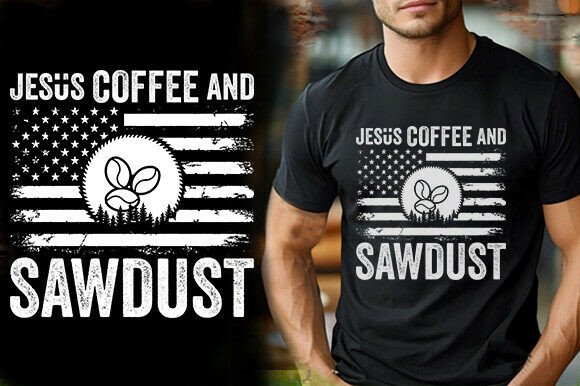
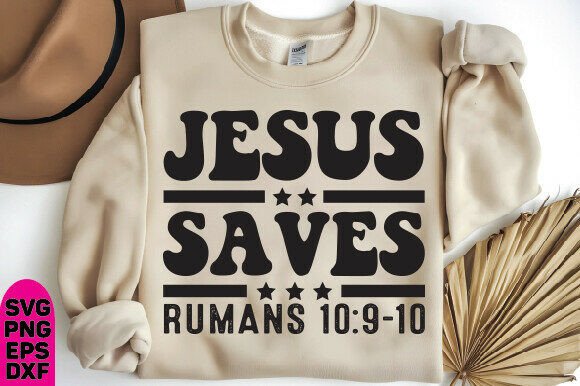
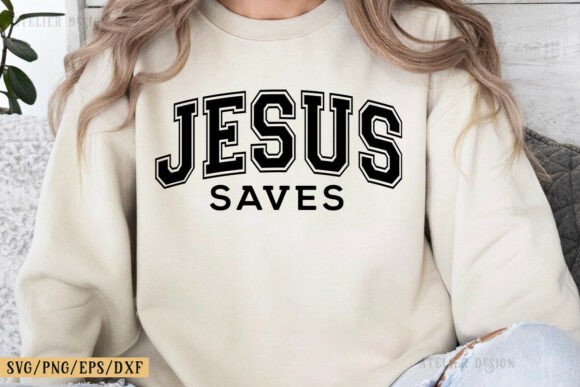
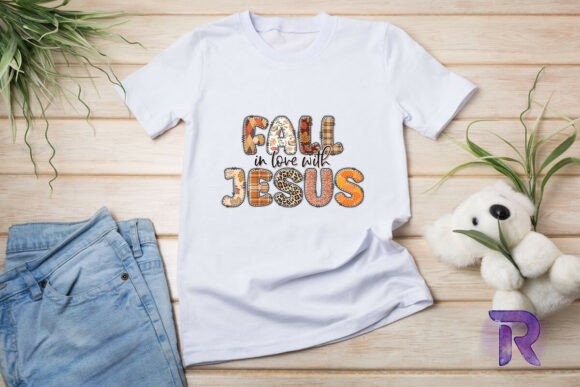
As a graphic design asset, the file arrives with all the standard formats you would expect for a digital embroidery project. You get an SVG, DXF, PNG at 300 dpi with a transparent background, EPS, AI, and three JPEG mockups. That range means you can preview the design on a printable mockup before stitching, adjust sizing in your embroidery software, and confidently move from screen to fabric.
But what matters most is how the design behaves once it becomes thread. The overall shape is compact enough for chest placement on a t-shirt or sweatshirt, yet it has enough presence to stand alone as the focal point. There are no tiny, fragile details that will vanish in the wash. The line weights appear consistent, and the open areas suggest manageable stitch density. That is the kind of first impression that makes me want to test it immediately.
Real Project Test: Embroidering a Custom Tote Bag
For my real-world test, I decided to stitch Coffee Cures Jesus Saves Svg Sweet T-shi onto a set of cotton tote bags intended for a small shop that sells faith-based merchandise alongside coffee-themed gifts. I wanted to see how the design handled midweight cotton twill, a fabric that can be forgiving but also reveals any issues with pull or distortion.
I hooped the fabric with a medium-weight cutaway stabilizer, which is my standard recommendation for designs of this size on tote bags. The design stitched out cleanly. The satin stitches laid flat without tunneling, and the fill stitches covered evenly without gaps. I did pause to check the thread color contrast—choosing a rich cream thread on a khaki bag—and the design popped beautifully. The lettering stayed crisp, and the curves in the artwork did not lose definition.
The three JPEG mockups included in the file helped me show the client a realistic preview before stitching the full batch. That alone saved time and eliminated guesswork. If you are an Etsy seller or a small business owner, having those mockups ready to use in listings or social media is a genuine workflow advantage.
After washing the test tote bag twice, the design held up well. No puckering, no thread breaks, and the edges remained clean. That kind of durability matters when you are selling finished products that customers expect to use daily. A tote bag gets tossed around, filled with groceries, and thrown into cars. The embroidery needs to endure that.
Where This Design Shines in Embroidery Projects
After testing, I can confidently say this design works beautifully across a range of applications. Here is where Coffee Cures Jesus Saves Svg Sweet T-shi performs best in my experience:
- Custom apparel: T-shirts, sweatshirts, and hoodies benefit from the balanced layout. Left chest or center chest placement both work well.
- Tote bags and canvas projects: The design holds up on medium to heavy fabrics and feels natural on a coffee-themed bag.
- Personalized gifts: This is an easy sell for holiday gifts, birthday presents, or encouragement packages. Coffee lovers with faith roots will appreciate it.
- Small shop merchandise: If you run a boutique or an Etsy shop, this design fits the niche for Christian-themed, coffee-inspired products.
- Aprons and kitchen towels: The theme works naturally in a kitchen setting. Just be sure to use proper stabilizer for frequent washing.
- Printable mockup use: The included mockups allow you to create product images without stitching a sample first, which is perfect for digital product sellers.
The design also travels well into patch form. I tested a small embroidered patch using a tear-away stabilizer and a tight satin border. The result was professional enough to sell as a standalone iron-on patch at a craft fair.
Where to Approach With Care
No design is perfect for every situation. Here is where I recommend caution with Coffee Cures Jesus Saves Svg Sweet T-shi:
- Small hoop sizes: If you are working with a tiny hoop, the design may force you to scale it down too much, losing readability in the lettering. Always check the minimum size in your embroidery software before cutting fabric.
- Thin or stretchy fabric: Lightweight knits and stretchy materials can cause distortion. Use a cutaway stabilizer and consider a temporary spray adhesive to keep everything flat.
- Dark fabrics: The design relies on clear contrast. On black or navy fabric, choose thread colors that stand out boldly. A white or bright cream thread works, but test a sample first.
- Curved surfaces like caps: The layout is not specifically designed for curved hooping. If you attempt a cap, reduce the design size and use a cap frame with appropriate stabilizer.
- Dense stitch areas: I did not encounter excessive density, but always review the stitch count and density map in your software. If the design feels too dense, reduce the scale slightly or adjust pull compensation.
- Frequent washing items: Baby items, kitchen towels, and blankets that get washed often benefit from a cutaway stabilizer and careful thread choice. Test a wash sample before committing to a batch.
These are not dealbreakers. They are simply the realities of working with any machine embroidery design. Knowing them in advance saves thread, fabric, and frustration.
What Customers Notice and Why It Matters
When I displayed the finished tote bag at a small market, the response confirmed what I suspected. People responded to the message first—coffee and faith together feel honest and unpretentious. But they also noticed the quality of the stitching. Clean edges, even tension, no loose threads. That is the moment when a design moves from being just a graphic to being a product that builds trust.
For craft business owners and Etsy sellers, that trust translates into reviews, repeat customers, and word-of-mouth. A design that stitches out reliably and looks professional on a finished product directly affects your brand consistency. Customers may not know the technical details of stitch density or stabilizer choice, but they recognize quality when they see it. Coffee Cures Jesus Saves Svg Sweet T-shi delivers that level of finish when handled correctly.
The design also carries strong gift appeal. It fits birthdays, holidays, encouragement gifts, and even small tokens for church groups or coffee club meetings. The combination of a relatable image and a faith message gives it a wide audience without feeling generic.
Practical Notes Before You Stitch
Before you load this design into your machine and start producing, here are the practical checks I recommend based on my own test runs:
- Test on scrap fabric first. Always. Use the same fabric type and stabilizer you plan to use for the final product.
- Check thread color contrast. View the design on both light and dark backgrounds. Adjust thread colors accordingly.
- Review stitch density in your software. Confirm that the density matches your machine's capabilities and the fabric you are using.
- Confirm hoop size compatibility. Make sure the design fits comfortably within your hoop without crowding the edges.
- Inspect small details. Zoom in on the lettering and any fine lines. Ensure they will stitch cleanly at your intended size.
- Test in black and white mockups. This helps you see contrast and layout issues before committing to thread colors.
- Use proper stabilizer. Cutaway for garments that need long-term durability, tear-away for patches or one-time use items.
- Verify licensing. The product description indicates this is a design ready to print, but always confirm whether personal or commercial use is allowed before selling finished items or digital products.
These steps are not optional if you want consistent results. They are the difference between a product that looks handmade in the best sense and one that looks like an afterthought.
Final Thoughts for the Embroidery Designer
Coffee Cures Jesus Saves Svg Sweet T-shi is a solid addition to any embroidery designer's library, especially if you serve customers who love coffee, faith, or both. It stitched cleanly in my tests, held up through washing, and received genuine interest from shoppers. The included file formats and mockups make it easy to preview and produce, whether you are creating a single personalized gift or a batch of merchandise for a small shop.
As with any machine embroidery design, your results will depend on your fabric choice, stabilizer, hoop size, and thread selection. But the design itself gives you a strong starting point. It is not overly complicated, not fragile, and not trendy in a way that will feel dated next season. It is the kind of design that earns its place in your rotation because it works reliably and connects with people.
If you are an Etsy seller, a small business owner, a crafter, or a hobbyist looking for a design that balances message with practicality, this one deserves a test run. Put it on a tote bag, a sweatshirt, or a cozy apron. See how it stitches. Watch how customers respond. My guess is you will be glad you gave it a chance.